

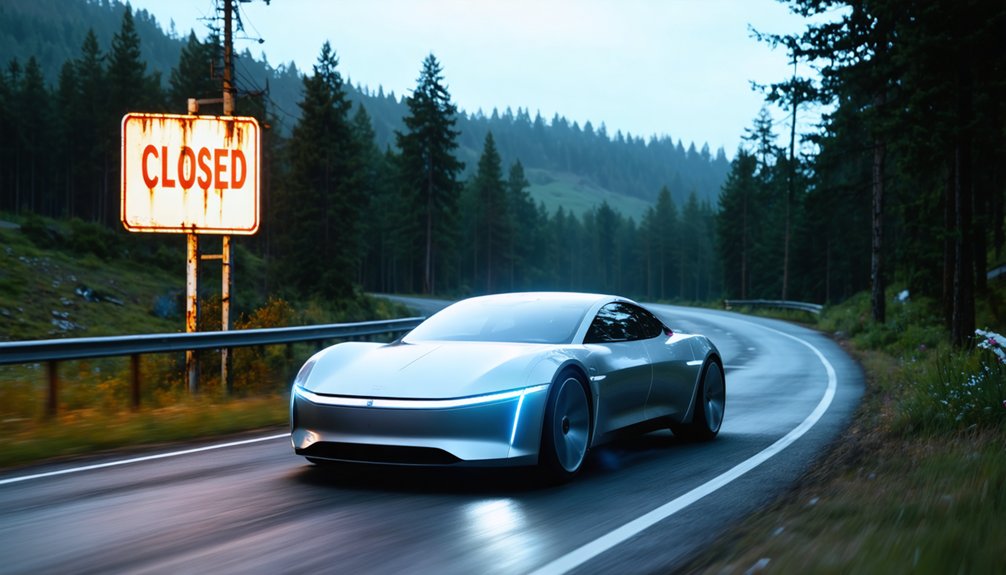

Electric Vehicles on the Rise
By 2025, electric vehicles (EVs) will become a more viable alternative to gas-powered cars, driven by advancements in battery technology and autonomous driving. Stricter emissions regulations will also play a significant role in their growth. Governments are offering incentives and investing in charging infrastructure, making EVs more attractive to consumers. As a result, ownership costs will decrease, and sustainability will improve.
To better understand the implications of this shift for the automotive industry, it’s essential to examine the factors driving the adoption of electric vehicles. Improved battery technology, for example, has increased driving ranges and reduced charging times, making EVs more practical for daily use. Autonomous driving features will also become more prevalent, enhancing safety and convenience.
As consumers become more environmentally conscious, the demand for sustainable transportation options will continue to grow. Electric vehicles will play a crucial role in reducing greenhouse gas emissions and mitigating the impact of transportation on the environment. With lower ownership costs and improved sustainability, EVs will become an increasingly attractive option for car buyers.
“The future of transportation is electric, and it’s arriving faster than expected.”
In the next few years, the automotive industry will undergo a significant transformation, driven by technological advancements, changing consumer preferences, and environmental concerns. As electric vehicles become more competitive, manufacturers will need to adapt to meet the shifting demands of the market. Those who invest in electric vehicle technology and autonomous driving will be well-positioned for success in the years to come.
Highlights
The transportation landscape is expected to undergo significant changes by 2025, with electric vehicles (EVs) poised to become a major player. As governments worldwide implement stricter emissions regulations, gas cars will likely face increased production costs, making them less affordable for consumers.
In contrast, governments are investing heavily in EV incentives and charging infrastructure. This support will not only encourage consumers to adopt EVs but also alleviate range anxiety, a primary concern for many potential buyers. By 2025, these efforts are expected to yield significant results.
While the initial purchase price of EVs is typically higher than that of gas cars, EV owners can expect to save money on fuel and maintenance costs. As major manufacturers continue to invest in EV technology and infrastructure, the overall ownership costs of EVs will likely decrease. This shift towards sustainability is driven by consumer demand for eco-friendly options and governments’ efforts to reduce their carbon footprint.
As the world moves towards a more sustainable transportation future, one thing is clear: electric vehicles will play a vital role in shaping the industry by 2025 and beyond.
Electric Vehicles vs. Gas Cars: A Comparison of Ownership Costs
- Fuel Costs: EVs are expected to save owners thousands of dollars on fuel costs over the vehicle’s lifespan.
- Maintenance Costs: EVs require less maintenance than gas cars, with fewer moving parts and no oil changes needed.
Government Incentives and Investments in EV Infrastructure
Governments worldwide are offering various incentives to encourage EV adoption, including tax credits, rebates, and exemptions from certain fees. Additionally, investments in charging infrastructure will continue to increase, making EV ownership more convenient and appealing to a wider range of consumers.
Evolution of Electric Vehicle Technology
The Evolution of Electric Vehicle Technology
Over the past decade, significant technological advancements have transformed the electric vehicle (EV) industry. Improvements in battery technology have been a key driver of this progress, with increased energy density, reduced costs, and faster charging speeds. As a result, manufacturers can now produce EVs with longer ranges and more efficient performance.
The integration of autonomous driving technology has also played a crucial role in enhancing safety features and laying the groundwork for the development of self-driving cars. With many countries investing heavily in EV infrastructure, data suggests that electric vehicles are becoming increasingly viable.
The impact of these advancements is evident in the growing adoption of EVs worldwide. As technology continues to improve, electric vehicles are poised to play a major role in shaping the future of transportation. Electric vehicles are not just a novelty, but a necessity for a sustainable transportation system.
Advancements in Battery Technology
The development of more efficient battery technologies has been a significant factor in the growth of the EV industry. Lithium-ion batteries, in particular, have become the industry standard due to their high energy density and relatively low cost.
However, researchers are exploring alternative battery technologies, such as solid-state batteries, that could offer even greater efficiency and range.
Autonomous Driving and Electric Vehicles
The integration of autonomous driving technology with EVs has the potential to revolutionize the transportation industry. Autonomous EVs could significantly reduce greenhouse gas emissions, improve road safety, and enhance mobility for the elderly and disabled.
While there are still significant technical and regulatory hurdles to overcome, the potential benefits of autonomous EVs are substantial.
Investment in Electric Vehicle Infrastructure
Governments and companies around the world are investing heavily in EV infrastructure, including charging stations and battery swapping facilities. This investment is critical to supporting the growth of the EV industry and addressing concerns about range anxiety and charging time.
As the infrastructure continues to develop, it is likely that EVs will become an increasingly attractive option for consumers.
Advancements in Gas Car Fuel Efficiency
Improving Fuel Efficiency in Gas Cars
The gas car industry has been working to improve fuel efficiency, despite the shift towards electric vehicles. By combining conventional engines with electric motors, hybrid technology has been a key area of focus. This approach has led to significant improvements in fuel economy, with some models achieving up to 50% better mileage per gallon.
Engine design advancements, such as turbocharging and direct injection, have also contributed to increased efficiency. According to data, these efforts have resulted in an average fuel economy improvement of 10% over the past five years. This makes gas cars a more viable option for those seeking a more environmentally friendly ride without switching to electric.
Fuel efficiency is crucial for reducing emissions and improving overall performance.
In recent years, manufacturers have made significant strides in developing more efficient engines and transmission systems. For example, some models now feature automatic start/stop technology, which shuts off the engine when the car is idling.
Additionally, the use of lightweight materials has helped to reduce the overall weight of vehicles, further improving fuel efficiency. The integration of advanced technology has also played a significant role in improving fuel efficiency.
Many modern gas cars now feature advanced computer systems that optimize engine performance, transmission shifting, and braking. These systems work together to minimize fuel consumption and reduce emissions.
Overall, the gas car industry has made significant progress in improving fuel efficiency. While electric vehicles continue to gain popularity, gas cars remain a viable option for those seeking a more environmentally friendly ride.
With ongoing advancements in technology and design, it’s likely that gas cars will continue to become even more efficient in the years to come.
Impact of Stricter Emissions Regulations
Emissions Regulations to Reshape the Automotive Industry
Stricter emissions regulations are set to challenge the gas car industry’s efforts to improve fuel efficiency. By 2025, the European Union aims to reduce average fleet emissions by 50% compared to 2021 levels. Meeting these new standards will require gas car manufacturers to adopt innovative technologies, making regulatory compliance a significant hurdle.
In contrast, electric vehicles are well-positioned to meet these standards, with many models already producing zero tailpipe emissions. As a result, demand for electric vehicles is likely to increase, driving growth in the sector and potentially disrupting the gas car market.
The future of the automotive industry will be shaped by its ability to adapt to stricter emissions regulations. Electric vehicles are poised to take center stage, offering a cleaner and more sustainable alternative to traditional gas-powered cars.
The impact of these regulations will be far-reaching, with manufacturers needing to invest heavily in research and development to meet the new standards. This could lead to an increase in the cost of production, potentially affecting the affordability of gas cars.
On the other hand, electric vehicles are expected to become more competitive, with many governments offering incentives to encourage their adoption.
As the world moves towards a more sustainable future, the automotive industry will need to adapt to stricter emissions regulations. The rise of electric vehicles is set to continue, offering a cleaner and more environmentally friendly alternative to traditional gas-powered cars.
With the European Union leading the way, other governments are likely to follow suit, making it essential for manufacturers to invest in innovative technologies to meet the new standards.
The Role of Government Incentives in Shaping the Market
Government Incentives Drive Electric Vehicle Adoption
Governments worldwide are recognizing the importance of encouraging the adoption of electric vehicles. To achieve this, many governments offer attractive subsidies, tax credits, and exemptions to incentivize consumers to switch to cleaner modes of transportation. These subsidies, including cash incentives and low-interest loans, have been instrumental in driving sales. For instance, tax credits have effectively bridged the price gap between electric and gas-powered vehicles.
Stricter emissions regulations and low-emission zones are environmental policies that have created market incentives for manufacturers to invest in electric vehicle production. As a result, government incentives have played a crucial role in shaping the market, driving growth, and increasing consumer adoption of electric vehicles. By implementing effective policies, governments have driven progress in the shift to a more sustainable transportation sector.
According to a recent study, “Government incentives have been instrumental in driving the growth of the electric vehicle market. By providing subsidies, tax credits, and exemptions, governments have made electric vehicles more accessible to consumers, which has helped to increase adoption rates.”
The Impact of Government Incentives on the Electric Vehicle Market
Government incentives have had a significant impact on the electric vehicle market. By providing subsidies, tax credits, and exemptions, governments have made electric vehicles more attractive to consumers. This has led to an increase in sales, which has driven growth in the market.
Additionally, government incentives have encouraged manufacturers to invest in electric vehicle production, which has helped to increase the availability of electric vehicles in the market. Overall, government incentives have played a vital role in shaping the electric vehicle market.
Charging Infrastructure Expansion and Its Effects
Electric Vehicle Adoption Hinges on Charging Infrastructure Expansion
The growing popularity of electric vehicles (EVs) is contingent upon the availability of reliable and extensive charging infrastructure. Governments and private companies are investing heavily in urban infrastructure to expand charging accessibility.
Cities are witnessing a significant proliferation of charging stations, with many metropolitan areas aiming to support 100% electrification. Data suggests that focusing on urban infrastructure will yield positive results, as city dwellers are more likely to adopt EVs due to the convenience of readily available charging options.
In fact, a study indicates that by 2025, most urban areas will have accessible and reliable charging infrastructure, paving the way for widespread EV adoption. This development has significant implications for the future of gas versus electric cars.
As charging infrastructure becomes more widespread, range anxiety will decrease, and EVs will become an increasingly viable option for consumers. “The expansion of charging infrastructure is a crucial step towards a more sustainable transportation system.
The impact of charging infrastructure expansion will be felt beyond urban areas, as it will also drive growth in the EV market. As more consumers switch to EVs, demand for charging infrastructure will increase, creating a positive feedback loop that will accelerate the transition to electric transportation.
Comparative Cost Analysis of Gas and Electric Cars
Gas vs Electric: Unpacking the Cost of Vehicle Ownership
Electric vehicles are becoming increasingly popular, and one key consideration for potential buyers is the cost of owning a gas-powered car versus an electric one. While electric vehicles often come with a higher upfront price tag, research has shown that their overall cost of ownership can be lower than that of gas-powered cars.
Electricity is generally cheaper than gasoline, which means lower fuel costs for electric vehicle owners. Additionally, electric vehicles require less maintenance, as they have fewer moving parts and don’t need oil changes. This reduced maintenance can lead to significant cost savings over the life of the vehicle.
However, resale value is an important factor to consider when evaluating the cost of owning a gas-powered car versus an electric one. Electric vehicles tend to hold their value less well than gas-powered cars, which can impact their overall cost of ownership.
To get a clear picture of the costs involved, it’s essential to carefully evaluate the total ownership cost and resale value of both gas-powered and electric vehicles. This includes considering factors such as fuel costs, maintenance expenses, and the vehicle’s anticipated resale value.
The Bottom Line: A Thorough Cost Analysis is Key
Ultimately, the decision between a gas-powered car and an electric vehicle comes down to a thorough analysis of the costs involved. By carefully evaluating the total ownership cost and resale value of each option, buyers can make an informed decision that meets their needs and budget.
As automotive expert, Kelley Blue Book, notes, “The cost of ownership is a critical factor in the car-buying decision, and it’s essential to consider all the costs involved, including fuel, maintenance, and resale value.”
Key Players and Emerging Trends in the Automotive Industry
Electric Vehicles: The Future of Transportation
Major automotive manufacturers such as General Motors, Toyota, and Volkswagen are driving the shift towards electric vehicles. These industry leaders have invested heavily in electric vehicle technology, with a focus on autonomous driving and car sharing services.
General Motors’ acquisition of Cruise Automation has led to significant advancements in autonomous driving, while Volkswagen’s subsidiary, MOIA, is expanding its presence in the car sharing market.
Toyota has also partnered with companies like Uber to further its reach in the sharing economy.
As the industry continues to evolve, electric vehicles are becoming increasingly prominent. This trend is set to transform the automotive industry, providing consumers with more sustainable and convenient transportation options.
With major manufacturers at the forefront of innovation, electric vehicles are likely to become a staple of modern transportation.
The shift towards electric vehicles is a significant step towards a more sustainable future. As technology continues to advance, we can expect to see even more innovative solutions emerge.
Key Players in the Electric Vehicle Market
- General Motors: A pioneer in autonomous driving, General Motors is leading the charge in electric vehicle technology.
- Toyota: With its partnerships with companies like Uber, Toyota is expanding its presence in the sharing economy.
- Volkswagen: Through its subsidiary, MOIA, Volkswagen is making significant strides in the car sharing market.
The Future of Transportation
As electric vehicles become increasingly prominent, the automotive industry is set to undergo a significant transformation.
With a focus on sustainability and convenience, electric vehicles are poised to revolutionize the way we travel.
With major manufacturers at the forefront of innovation, the future of transportation looks bright.
Conclusion
The Electric Vehicle Revolution Gains Momentum
By 2025, electric vehicles (EVs) are poised to make significant strides, driven by technological advancements, stricter emissions regulations, and government incentives. The expansion of charging infrastructure will play a crucial role in increasing adoption rates. As the cost gap between gas and electric cars narrows, consumer preference will shift towards sustainable options.
What’s Driving the Shift to Electric Vehicles?
Government regulations are pushing automakers to reduce emissions, and EVs are an attractive solution. Technological advancements have improved the efficiency and range of EVs, making them a viable option for many consumers. Additionally, government incentives, such as tax credits and rebates, are making EVs more affordable.
Charging Infrastructure: A Key to Widespread Adoption
The availability of charging stations is a significant factor in the adoption of EVs. As charging infrastructure expands, consumers will feel more confident in purchasing EVs. Governments and companies are investing heavily in building out charging networks, making it easier for people to own and operate EVs.
The Future of Gas vs. Electric Cars
As the world becomes increasingly environmentally conscious, the demand for sustainable transportation options will continue to grow. Electric vehicles are poised to become a dominant force in the automotive market, driven by government regulations, technological advancements, and shifting consumer preferences. With the cost gap between gas and electric cars narrowing, it’s clear that the future of transportation is electric.
“The future of transportation is not just about getting from point A to point B, it’s about doing so in a way that’s sustainable, efficient, and environmentally responsible.”